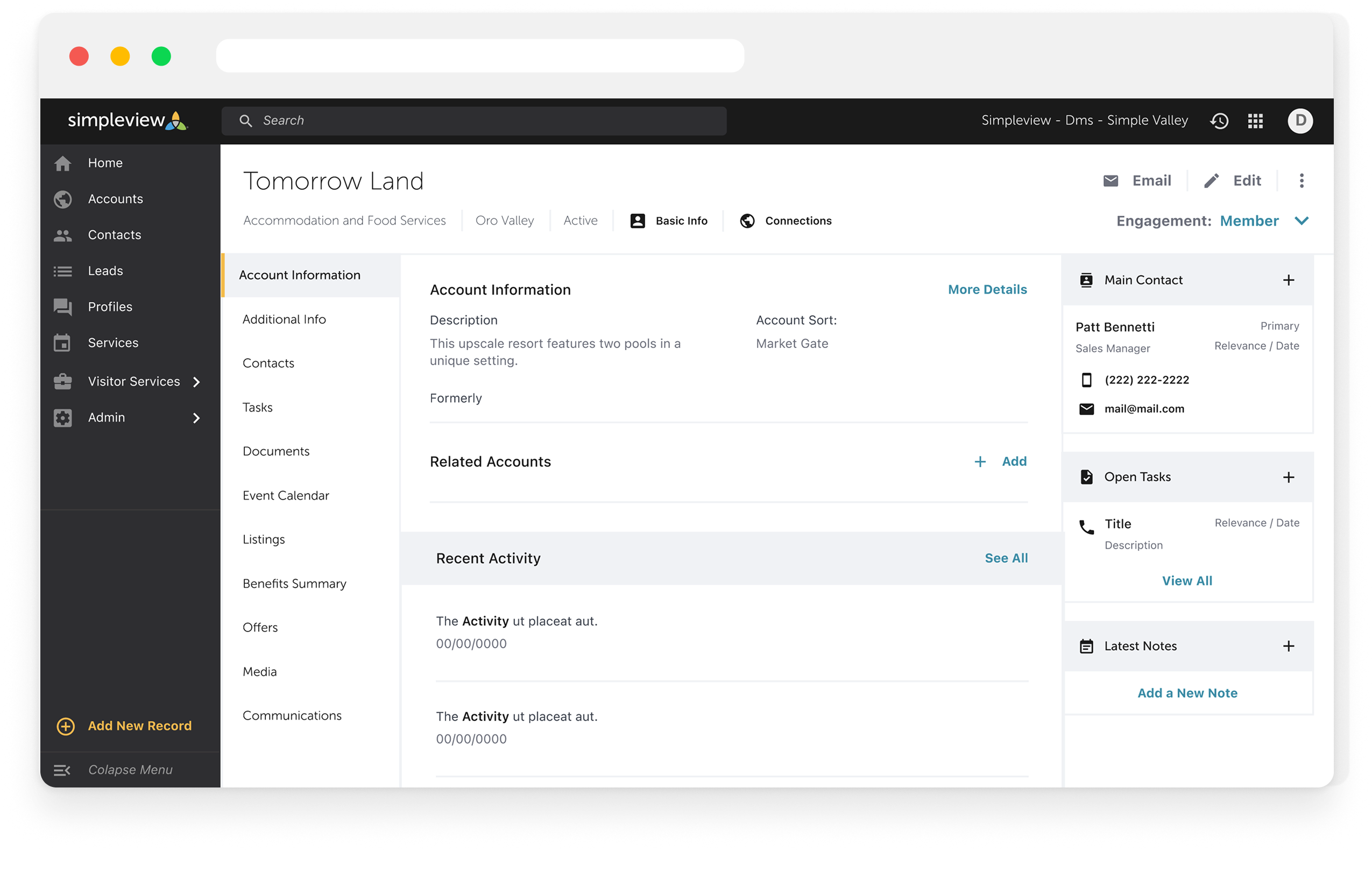
Helping Destination CRM stakeholders translate ambiguous goals into a clear product roadmap. Also pushing them to create a unified design system for their suite of products, showing them the need for a unified experience in their products.
The challenge
One of the earliest hurdles was transitioning the team from a purely technical mindset to a human-centered design approach. It required constant alignment to advocate for iterative design processes, explaining the value of being accustomed to linear development. Cross-functional collaboration also demanded patience, a quality the team demonstrated in dealing with initial resistance to new workflows. This patience and streamlined communication gradually eased the resistance and demonstrated how design could accelerate outcomes.
A parallel challenge was educating client product owners who had never worked with UX. The team’s unwavering commitment to user needs was evident in this process, as they reframed the client’s vision to focus on agility, advocated for phased iterations, and created shared ownership of the product’s strategic direction. This commitment instilled confidence in the client product owners about the team’s user-centric approach.
The Process
Define, executed in tight collaboration with product and development teams to balance user, business, and technical requirements. As lead designer, I ensured we stayed aligned with the vision and captured all findings and insights from the understanding. The team was always in sync, with constant iterations with the client that kept them involved and informed, and through design reviews. I also guided the business analyst in maintaining the correct vision aligned with the client’s PO, and I spoke with the technical lead and the rest of the development team to ensure alignment on all fronts.
Understanding
- I conducted user interviews and stakeholder workshops to map pain points, workflows, and hidden opportunities.
- Also, I performed a competitive analysis of sales modules in leading CRMs to identify market gaps and UX benchmarks.
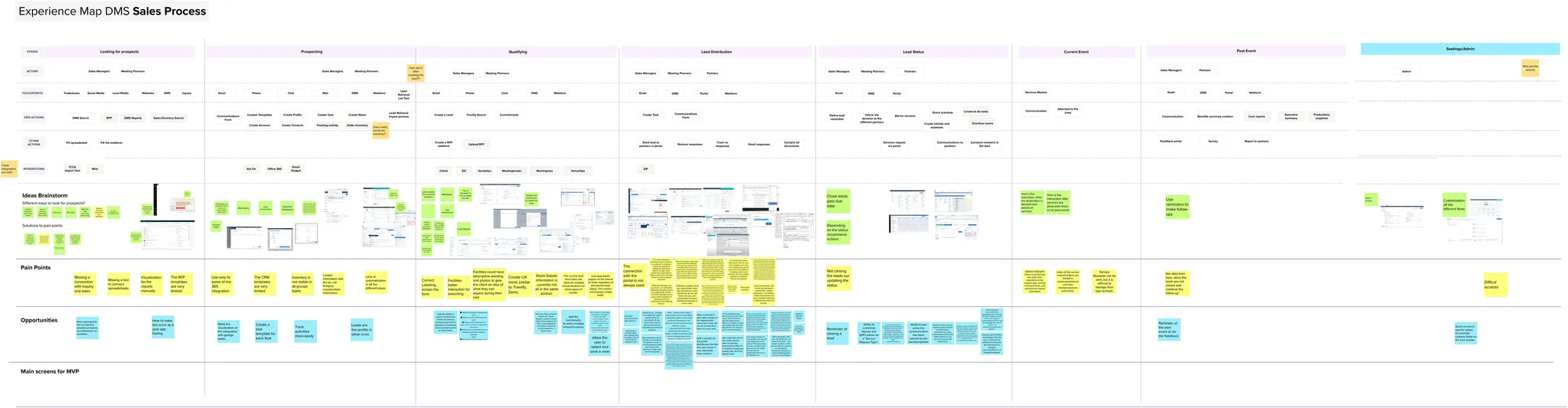
- Finally, I synthesized insights into an Experience Map, visualizing user journeys and aligning teams around a single source of truth.
Envisioning
- Facilitated co-creation sessions with developers and product managers to brainstorm solutions grounded in technical feasibility.
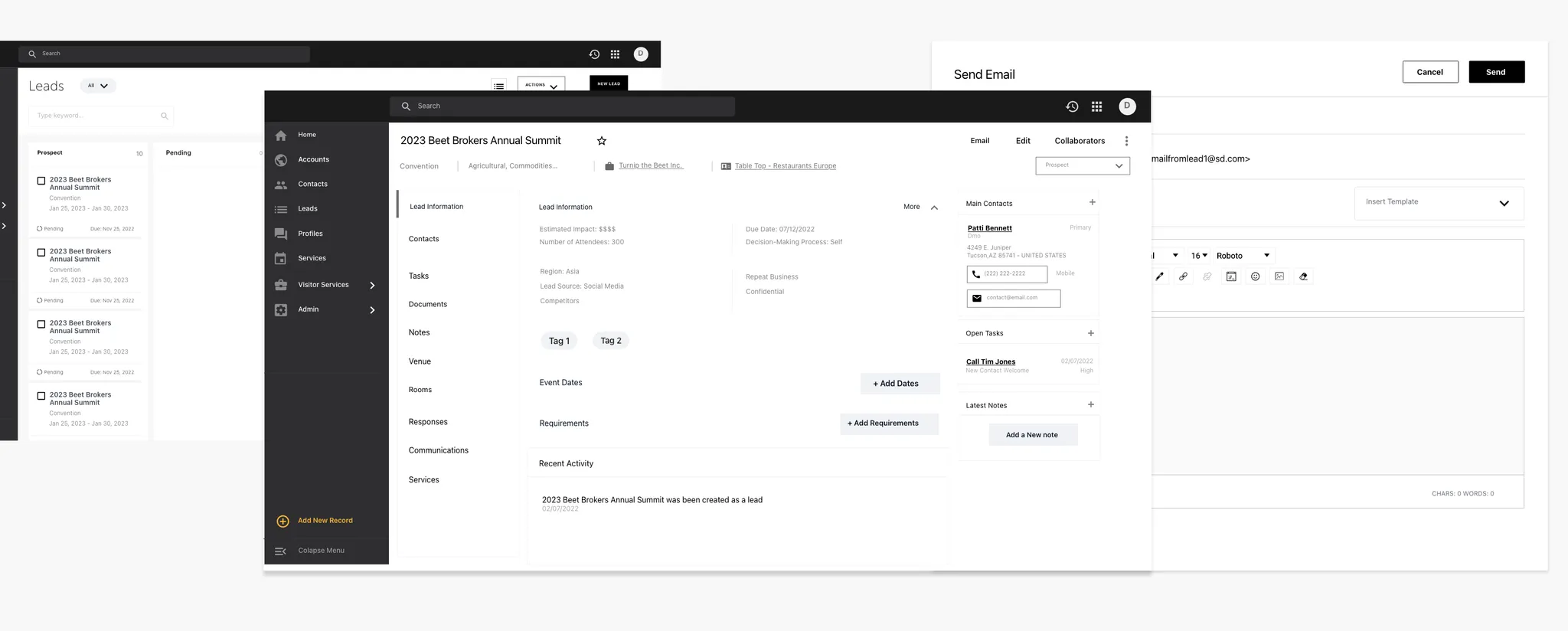
- I designed the first interaction and Wireframes for some of their users to create a usability test.
- I set the Design System foundations, working together with the Product Owners.
Definition
- Translated concepts into modular, scalable design components that supported both immediate needs and future growth.
- Established a shared language between the design team and engineers through atomic design principles, reducing friction in handoffs.

The Design System
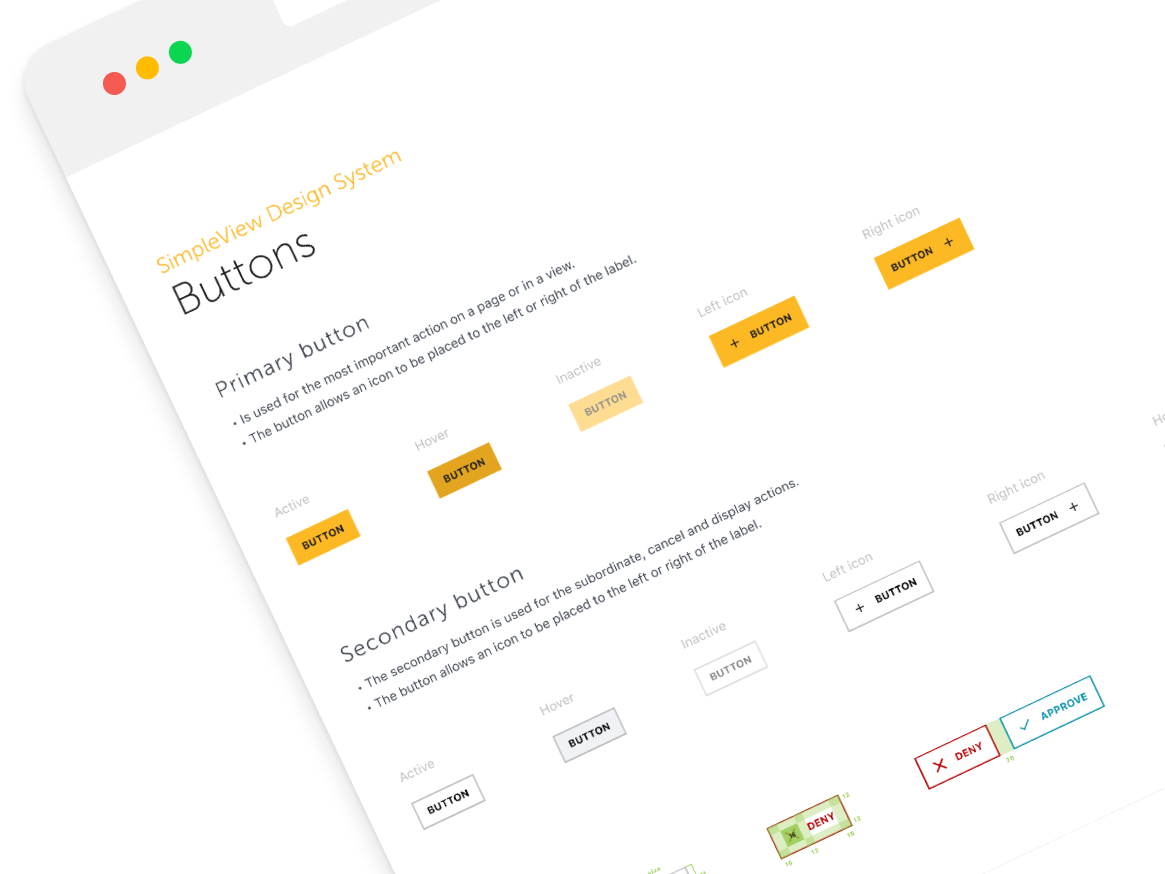
The Design System was born out of the need to unify their product suite, ensuring brand consistency and visibility. After understanding the applications, interviewing some product owners, and mapping them, I helped visualize the need for a framework with a set of processes and guidelines. We presented these findings and the analysis to the stakeholders and the CTO, emphasizing simplicity and good communication, reassuring them about the project’s direction.
With an inventory of visual elements, a team of two visual designers, and me as the main lead, we maintained the vision through regular reviews and technical meetings with the tech lead. We divided the system into Foundations, Patterns, and different components. The development team, with these elements, played a crucial and valued role in creating a Storybook library. By implementing this library, we reduced front-end development rework and created a single source of truth for both designers and engineers.
Growth & Evolution
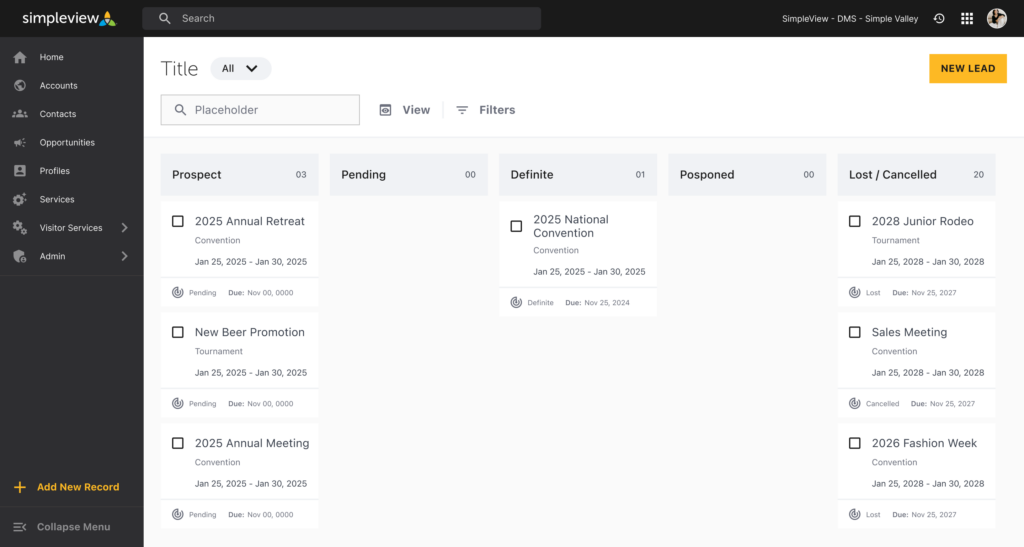
Building on the validated core framework, the CRM platform has expanded into new modules and functionalities, a testament to the trust earned through early successes. The initial squad’s confidence in the design process not only scaled the team but also empowered stakeholder mindsets: client product owners now champion design-driven development as a catalyst for competitive, user-aligned products. Helping CRM stakeholders to translate ambiguous goals into a clear product roadmap.
Key Outcomes
- Scaled with Intent: Modular architecture and phased releases enabled seamless integration of new features while maintaining UX cohesion as the platform grew.
- Cultural Shift: Stakeholders now proactively advocate for iterative design, citing improved user satisfaction and reduced rework. Stakeholders now champion design-driven development. That is a massive win.
- Persistent Focus Areas: While cross-functional alignment and agile workflows have improved, we continue to refine processes to accelerate delivery, prioritizing tools such as shared design system dashboards and learner feedback loops.